
FGS Co-Gardener Membership Proposal
A place in the Fenway Garden Society for the people who garden alongside us.

Proposal Overview
FGS is considering an optional membership for co-gardeners, with a vote in FGS matters, individual responsibilities, and clear rules for taking over a plot. This page explains what would change and what it would mean for gardeners and people on the waitlist.
The proposal has not been adopted. Members will vote on the Constitution & Bylaws amendments at the FGS Winter Meeting on December 5, 2026. The full package also includes Handbook and Guidelines & Regulations changes that require separate approvals, explained in the FAQ. Final wording is under legal review and will be shared with gardeners in late October/early November.
Why FGS is Proposing This
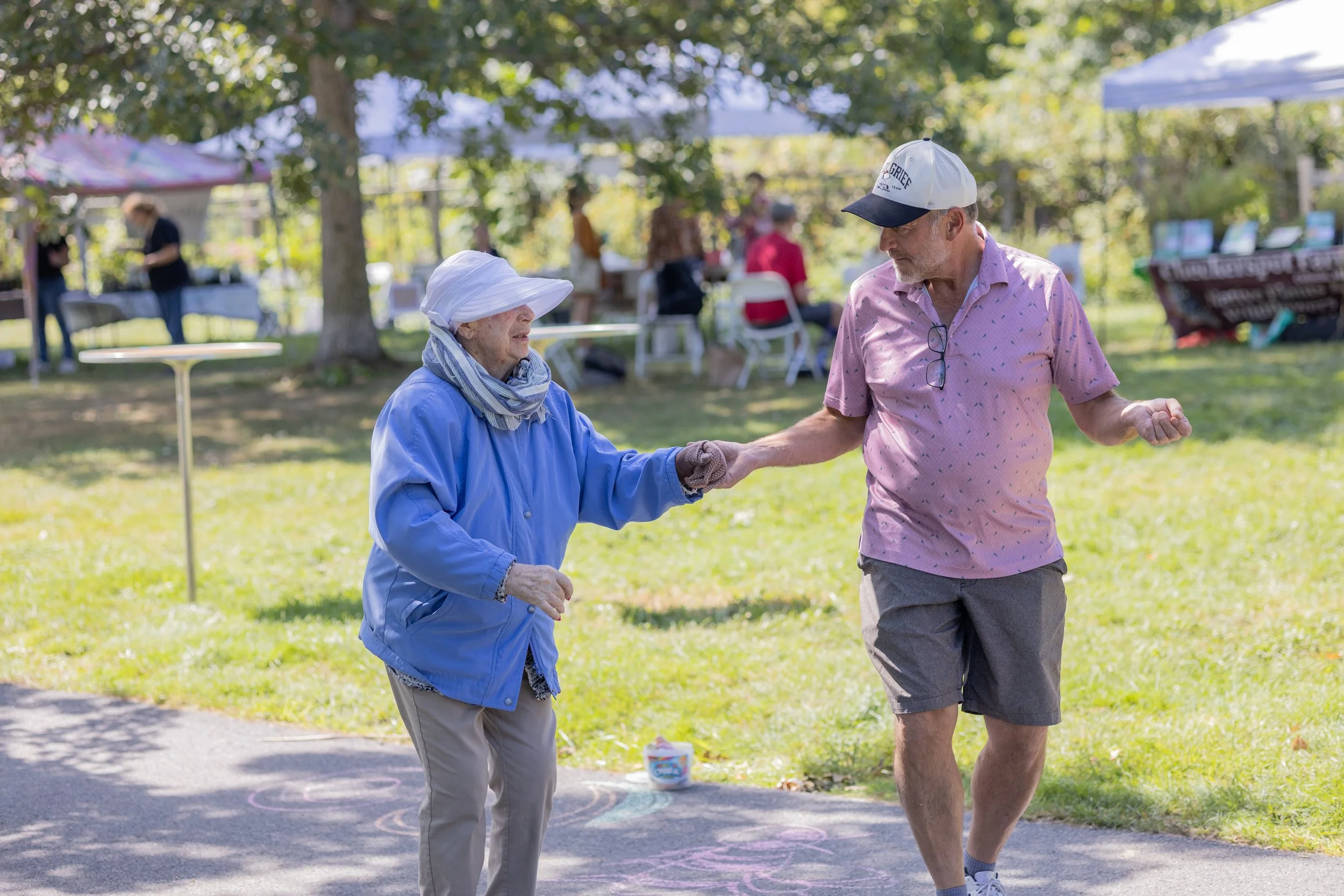
Urban gardening takes sustained effort, season after season. Co-gardeners already share the work of caring for plots, show up for CPDs, and help maintain the space we all use. Some have done this for years, including keeping a plot tended when the Primary Gardener cannot. The proposal would recognize that commitment by giving eligible co-gardeners the option to become FGS members and have a voice in the community they already help sustain. That recognition would extend to people whose contribution is gardening and community service, whether or not they want a leadership role.
Some co-gardeners have also expressed interest in serving as Area Directors or on committees but have had no formal path to do so. Membership would open those opportunities and give them their own vote, alongside individual dues and community-service responsibilities.
To keep additional administration manageable for the volunteer Board, registration would use existing assignment and renewal processes and be limited to one Co-Gardener on one designated plot. Decisions about continuing the shared arrangement would remain with the gardeners. The proposal would also establish clear conditions for a Co-Gardener to take over the plot when the Primary Gardener leaves or dies.
-
Current FGS members would not have to register a Co-Gardener if they did not want to. Friends, family members, and other helpers could continue gardening alongside you without joining FGS, including helpers who live outside Boston. Formal membership would be an option for eligible Boston residents who want the rights and responsibilities it provides.
-
Registered Co-Gardener Members would have one vote each and could serve in FGS leadership and committees. Each Primary Gardener could register one Co-Gardener on one designated plot.
-
Co-Gardener Members would pay separate annual dues and renew with proof of Boston residency. The proposed initial rates are $40 for members under 65 and $25 for members age 65 and older, subject to approval. Each member under 65 would complete at least nine service hours a year unless exempt. One person’s hours would not count for both members.
-
A registered Co-Gardener could request the designated plot after the Primary Gardener dies or voluntarily leaves. The conditions would differ by situation, including how long the Co-Gardener has been registered. Registration alone would not guarantee a future plot.
-
New primary assignments would ordinarily be limited to one plot, with extraordinary-service awards as an exception. Existing multiple-plot holders could keep their plots. Only the designated plot could pass through Co-Gardener succession; surplus plots would return to the waitlist when the Primary Gardener leaves or dies.
-
Under the proposed joint-responsibility rules, revocation for a rules violation would end both memberships and return the plot to the waitlist. There would be no succession after revocation. Unpaid Co-Gardener dues are a separate issue, explained below.
The Proposed Amendments
-
![]()
01
Give Co-Gardeners a voice and a defined place in FGS
Constitution & Bylaws: Article III §2, new subsection D, and new §3
Co-Gardener Members would become a fourth membership class, with one vote each at General Meetings and eligibility for all elected, nominated, and appointed FGS positions on the same basis as Regular Members. This would give people who already help care for the gardens a defined way to participate in the Society’s decisions and leadership, with an explicit responsibility to follow FGS rules.
Membership classes would be mutually exclusive. A Co-Gardener assigned their own plot would become a Regular Member. Formal membership would remain optional; friends, family members, and other helpers could continue helping without joining.
-
![]()
02
Open all six standing committees to Co-Gardener Members
Constitution & Bylaws: Article X §§1–6
Co-Gardener Members would be eligible to serve on the Nominating, Guidelines & Regulations, Constitution & Bylaws, Auditing, Endowment, and Fundraising Committees. This would carry the new membership rights into the committees that do FGS’s ongoing work. The first four would retain eligibility for Regular and Honorary Members; Endowment and Fundraising would retain Regular Member eligibility. Existing committee sizes, selection procedures, ex officio roles, officer exclusions, duties, and service limits would remain unchanged.
-
![]()
03
Make registration and shared responsibilities clear
Members’ Handbook: new §1.9
A Primary Gardener, meaning a Regular or Honorary Member assigned a plot, could register one Boston-resident Co-Gardener on one designated plot. Registration would take place at initial plot assignment or annual renewal, with Board approval and payment of dues. Annual renewal would require proof of Boston residency. The proposed initial separate dues are $40 for members under 65 and $25 for members age 65 and older, subject to legal review and the required approvals.
The section would set out how membership starts, changes, and ends, giving both gardeners a clear record of their status and obligations. A replacement could register at renewal but could not inherit the previous Co-Gardener’s tenure. The Primary Gardener could request removal in writing at any time, effective when the Board acknowledges it. Both gardeners would be accountable for conduct under the joint-revocation rules. Failure to pay Co-Gardener dues would end that membership; it would not automatically end the Primary Gardener’s membership.
-
![]()
04
Recognize Co-Gardener help during a temporary absence
Members’ Handbook: §2.5
If a Primary Gardener is temporarily unable to maintain their plot, maintenance by a registered Co-Gardener would expressly count as an appropriate arrangement for keeping it in compliance. This would recognize the practical support a Co-Gardener can provide when circumstances change. The gardener could still ask the Board for help, which the Board would try to provide. The existing one-year limit on the accommodation would remain.
-
![]()
05
Give each member the same individual service responsibility
Members’ Handbook: §2.7
Co-Gardener Members would have full voting rights and the same individual service responsibility as other members. Each member under 65 would complete at least nine hours a year unless exempt, regardless of how many plots they hold. One person’s hours would not count toward both gardeners’ obligations. Physical work, Board-approved administrative work, and committee work could count.
The rewrite would retain exemptions for members age 65 and older, Executive Board service, and Board-approved extenuating circumstances. It would add an exemption for a member holding a plot awarded for extraordinary service under §6, for as long as they hold that plot. The details of these exemptions are explained in the FAQ. Members would still be expected to pick up trash and add woodchips where needed.
-
![]()
06
Set clear rules for when a Co-Gardener can take over a plot
Members’ Handbook: replacement §5 and addition to §3.1
The proposal would establish different rules depending on why the Primary Gardener leaves:
If the Primary Gardener dies: The registered Co-Gardener could request to take over the plot, regardless of how long they have been registered. The Board would grant the request if the Co-Gardener lives in Boston, is in good standing, and would hold no more than one plot.
If the Primary Gardener chooses to leave: A Co-Gardener registered on that plot for at least three continuous years would have the first opportunity to take it over. With less than three years, the Board would decide whether to assign the plot to the Co-Gardener or return it to the waitlist, considering their time gardening there, standing, and contributions to FGS. In either case, the Co-Gardener must live in Boston, both gardeners must be in good standing, and the Primary Gardener must approve the transfer in writing.
If membership is revoked for a rules violation: Under the proposed joint-responsibility rules, both memberships would end and the plot would return to the waitlist. The Co-Gardener could not take it over.
The three-year requirement for voluntary departures is intended to recognize established gardening partnerships while limiting transfers arranged to bypass the waitlist. The FAQ explains how these rules would apply to moving out of Boston, divorce, and gardeners who hold more than one plot.
-
![]()
07
Limit new multiple-plot assignments
Members’ Handbook: new §1.10
New primary assignments would ordinarily be limited to one plot per person, with extraordinary-service awards under §6 as the exception. Existing multiple-plot holders could keep their plots. When a grandfathered plot is relinquished, it would return to the waitlist unless the succession rules in §5 expressly allow a transfer. This would limit future accumulation of plots while respecting existing assignments and preserving the designated-plot succession route.
-
![]()
08
Point gardeners to one set of registration rules
Guidelines & Regulations: Membership and Plot Assignment section
The Guidelines & Regulations would explicitly refer readers to the Handbook for Co-Gardener registration requirements, rights, and obligations. This would make the connection between the documents clear, so gardeners know where to find the detailed rules.
-
![]()
09
Make the consequences of misconduct explicit
Guidelines & Regulations: Behavior section, linked to Handbook §5.4
The existing prohibition on abuse and harassment, including online communications, would remain. The amendment would explicitly connect that standard to the proposed joint-revocation rule: revocation of a Co-Gardener for misconduct would also revoke the Primary Gardener’s membership and plot assignment. The plot would return to the waitlist. Making that consequence explicit would help both gardeners understand the responsibility they accept when registering.
-
![]()
Transition
Board transition resolution, separate from the nine amendments
If the amendments are adopted, existing co-gardeners would register during the March–April 2027 renewal period. Prior co-gardening would be credited from the later of the Primary Gardener’s original assignment to the plot or the Co-Gardener’s reasonably substantiated start on that plot. This would recognize existing relationships when assessing succession eligibility. The transition resolution remains subject to legal review and the required approval.







Read the Full Proposal and Background
Common Questions and Answers
-
No. Formal Co-Gardener membership would be fully optional. Friends, spouses, family members, and other helpers could continue helping without becoming members, including helpers who live outside Boston. Helping on a plot would not automatically give someone a vote, leadership eligibility, or the succession rights proposed for registered Co-Gardener Members. Everyone would still need to follow the garden’s rules.
-
A Regular or Honorary Member assigned a plot could register one Boston-resident Co-Gardener on one designated plot.
A person could hold only one membership class at a time. A Regular Member could not also register as a Co-Gardener, and a Co-Gardener could not register on a second plot. Registration would not itself make the Co-Gardener the assigned plot holder.
-
Registration could take place at initial plot assignment or during annual renewal. It would require Board approval and payment of dues, with proof of Boston residency provided annually.
Newly registered Co-Gardeners are expected to show proof of City of Boston residency in person to a Board member or the Membership Officer within one month of registering.
-
Co-Gardener Members would have one vote each and could serve in elected, nominated, and appointed FGS positions under the applicable selection rules.
Article X would include Co-Gardener Members in all six standing committees:
Nominating, Guidelines & Regulations, Constitution & Bylaws, and Auditing would permit Regular, Honorary, or Co-Gardener Members.
Endowment and Fundraising would permit Regular or Co-Gardener Members.
Committee sizes, selection procedures, ex officio roles, officer exclusions, duties, and limits on committee service would remain unchanged.
Both gardeners would be responsible for following FGS rules. Co-Gardener membership would end on loss of Boston residency, removal by the Primary Gardener, revocation, or assignment of the Co-Gardener’s own plot.
-
Yes. The waitlist would remain the main way people receive their own plots, and Co-Gardeners could still receive a plot through it. Once assigned their own plot, they would become Regular Members and their Co-Gardener membership would end, because the proposal allows only one FGS membership class at a time.
-
Yes. The proposal would expressly recognize a registered Co-Gardener’s maintenance as an appropriate arrangement during a Primary Gardener’s temporary inability to care for the plot. The gardener could also ask the Board for help, which the Board would try to provide. The existing one-year limit on this accommodation would remain.
-
The proposal establishes registration for Co-Gardener Members. It does not establish a separate registry for informal helpers or a new waiver or insurance arrangement. Nonresident helpers could continue helping without becoming members. Everyone would still need to follow the garden’s rules. In the future, board members may consider bringing back “Friends of the Victory Gardens” – an informal group of non-gardeners who are interested in supporting and preserving the space. That would be a separate initiative from the co-gardener membership proposal.
-
Yes. Co-Gardener membership would be voluntary, and a Co-Gardener could choose to end their membership by notifying the Board. The Primary Gardener could also ask the Board in writing to remove the registered Co-Gardener at any time; that removal would take effect when the Board acknowledges the request. A replacement could register during annual renewal, subject to Board approval and the other requirements. Their time toward succession would start with their own registration.
The plot would remain assigned to the Primary Gardener, who chooses whom to garden with. Registering a Co-Gardener would formalize a voluntary agreement to share that space, and either gardener could choose to end the arrangement if it no longer works. Because Co-Gardener membership would be tied to that relationship and designated plot, ending the registration would also end that membership. The Primary Gardener could choose a replacement at renewal under the usual registration requirements.
Neither gardener would need to establish a rules violation to end the arrangement. FGS would acknowledge the registration change, but would not mediate interpersonal disputes or decide whether the gardeners should continue gardening together.
Joining and Gardening Together
Dues and Community Service
-
The proposed initial annual rates are $40 for members under 65 and $25 for members age 65 and older, matching the Regular Member tiers. Co-Gardener dues would be separate from the Primary Gardener’s dues and collected with annual renewal.
Renewal deadlines, late fees, and the Handbook’s extenuating-circumstances provisions would apply to Co-Gardener Members.
-
Separate dues reflect the full membership Co-Gardeners would hold in FGS. They would have their own vote and could serve on committees, as Area Directors, or on the Board, under the same selection rules as other eligible members. Those rights would come with individual responsibilities, including annual dues and, unless exempt, community service. Informal helpers could continue helping without joining.
-
The service requirement is tied to each member. Each member under 65 would complete at least nine hours a year unless exempt, whether they hold one plot or several. Two members sharing one plot would each complete nine hours. A member with several plots would still complete nine hours total; counting hours per plot would instead increase that person’s requirement.
Co-Gardeners would have their own full membership rights and the same individual service obligation. One person’s hours would not count for both members. In practice, co-gardeners have sometimes fulfilled a Primary Gardener’s service requirement, but that informal arrangement is not spelled out in the current governing documents. The proposal would make each member’s responsibility explicit.
-
No. People under 65 could continue helping you without registering; helping alone would not create a dues or community-service obligation. If you register an eligible helper as your Co-Gardener, they would pay the proposed $40 annual dues and complete their own nine service hours a year unless exempt. You would remain exempt from service hours because you are 65 or older.
-
The same exemptions would be available to Primary Gardeners and Co-Gardener Members. If you are under 65, help with your plot would not automatically exempt you from service, and one person’s hours could not count toward both memberships. Service could include Board-approved administrative or committee work as well as physical work in the gardens. If circumstances limit your ability to meet the requirement, you could ask the Board in advance for an exemption of up to two years.
Members age 65 and older would be exempt, including Co-Gardener Members. Either type of member could also earn five years of exemption for each year served on the Executive Board. A member holding a plot awarded for extraordinary service under Handbook §6 would be exempt for as long as they hold that plot. All members would still be expected to help keep the gardens clean.
Plot Succession and the Waitlist
-
The waitlist would remain the main route to a new plot. FGS records currently list 84 active co-gardeners, alongside hundreds of applicants waiting for a plot. The proposal would also recognize people who have already been gardening on a particular plot and contributing to FGS by giving a registered Co-Gardener a way to continue there when the Primary Gardener leaves or dies.
There is a real tradeoff: a plot that passes to a qualifying Co-Gardener does not become available to someone on the waitlist. The proposal would limit this to one registered person on one designated plot, with Boston residency and good-standing requirements. Any other plots held by the departing gardener would return to the waitlist.
The route would depend on what happens. After a death, a qualifying Co-Gardener could take over without a minimum registration period. When the Primary Gardener chooses to leave, a Co-Gardener registered for at least three continuous years would have the first opportunity to take over if the conditions are met. With less than three years, the Board would decide whether to assign the plot to the Co-Gardener or return it to the waitlist. The questions below explain those conditions.
-
A family relationship alone would not give someone a right to a plot. The person would need to be the registered Co-Gardener on that plot and meet the same conditions as any other Co-Gardener.
Each Primary Gardener could register only one Co-Gardener, on one plot. When the Primary Gardener chooses to leave, the Co-Gardener would need three continuous years of registration to have the first opportunity to take over; with less time, the Board would decide. The Co-Gardener would need to live in Boston, both gardeners would need to be in good standing, and the Primary Gardener would need to approve the transfer in writing. A replacement Co-Gardener could not count the previous person’s years. After a death, there would be no minimum registration period. These rules are intended to recognize established co-gardening and limit transfers arranged simply to bypass the waitlist.
-
A registered Co-Gardener who remains a Boston resident and is in good standing could ask to take over the designated plot. The Board would grant a qualifying request, with no minimum registration period. The Co-Gardener would then become a Regular Member. Without a registered Co-Gardener, the plot would return to the waitlist.
-
After at least three years of continuous registration on the designated plot, the Co-Gardener would have the first opportunity to take it over if they remain a Boston resident, both gardeners are in good standing, and the Primary Gardener approves the transfer in writing. The Board would grant a request that meets those conditions.
With less than three years of registration, there would be no guaranteed right to the plot. The Board could assign it to the Co-Gardener or return it to the waitlist, considering tenure, standing, and contributions to FGS. The same residency, good-standing, and written-approval conditions would apply.
-
They could not keep a plot after ceasing to be a Boston resident. If they relinquish their plots before their membership is revoked, the move would be treated as voluntary departure and the normal succession rules above would apply. For that departure, the Primary Gardener’s loss of Boston residency would not by itself prevent succession; the other conditions would still apply. This would not reopen a membership revocation that had already happened.
-
No. Under the proposal, a spouse would need to be the registered Co-Gardener and meet the relevant succession conditions. After death, the death provision would apply. After divorce or pending divorce, the Primary Gardener could keep the plot or approve a transfer under the voluntary-departure rules, including the tenure requirements. Divorce itself would create no separate entitlement.
For example, if one spouse is the Primary Gardener and the other only helps informally, divorce would not give the helper a right to take over the plot. If the spouse is a registered Co-Gardener, any transfer would follow the voluntary-departure conditions above.
If both spouses claim the designated plot, the Primary Gardener would retain it. The existing arrangement for ex-spouses who each hold adjacent plots would remain: FGS could relocate one or both on request, with a coin toss if needed to decide who moves.
-
Existing multiple-plot holders could retain their plots, but each Primary Gardener could register only one Co-Gardener, on one designated plot. Only that plot could pass through the proposed succession rules. Other plots would return to the waitlist when the Primary Gardener leaves or dies. The proposal would ordinarily limit new primary assignments to one plot, with the existing extraordinary-service provision as an exception.
For example, if you hold two plots and register a Co-Gardener on one, only that designated plot could pass to them if the succession conditions are met. The other plot would return to the waitlist when you leave or die.
-
Unpaid Co-Gardener dues by the Membership Renewal Final Date would end the Co-Gardener’s membership, under the applicable renewal and extenuating-circumstances provisions. The proposal does not say that this nonpayment automatically ends the Primary Gardener’s membership.
Registering a Co-Gardener would mean that both gardeners accept shared responsibility for their space and for following FGS rules, including plot maintenance and conduct toward other people. If either gardener’s membership is revoked for a rules violation through the applicable revocation process, both memberships would end and the plot would return to the waitlist.
Separate revocation would create difficult questions about compliance and succession. If a shared plot has an unresolved problem, such as invasive plants, FGS would have to decide which gardener’s membership should end even though both are responsible for maintaining it. If the Primary Gardener’s membership is revoked, FGS would also have to decide whether the Co-Gardener could take over the same plot by meeting the usual succession criteria. Joint revocation keeps accountability with both gardeners and makes the outcome clear: succession would be available after death or voluntary departure under the proposed conditions, but not after revocation for a rules violation.
Approval and the Transition
-
Yes, under the separate transition proposal. If the amendments are adopted, existing co-gardeners could register during the March–April 2027 renewal period and receive credit for time they have already gardened on that plot. The starting point would be when they began co-gardening there, supported by reasonable evidence, but no earlier than when the Primary Gardener was assigned the plot. That time could count toward the three-year requirement when a Primary Gardener chooses to leave. The transition plan still needs review and approval.
-
A member vote is required to ratify the Constitution & Bylaws with the proposed amendments. The Handbook changes are proposed for Executive Board approval; however, since the majority of the proposed changes are in the Members’ Handbook, we may ask for a member vote at the Winter Meeting to grant the board authority to make these changes. The Guidelines & Regulations changes would need approval from the Boston Parks and Recreation Department after Board action. The December membership vote would therefore cover only part of the package.
FGS is sharing the whole proposal with members for input and feedback, including the parts that do not require a membership vote. We want members to understand how the changes fit together and have a fair opportunity to help shape them.
Have a question?
What would you like to understand before the membership vote? You can ask a question, describe a situation you would like the explanation to address, or share feedback, whether or not you have decided how you would vote. Please avoid including sensitive personal information.